


Introduction
Hello, and welcome to the GM Technology Lab!
In this series, we’ll explore the world of machining in a clear and easy-to-understand way.
In this first article, we’ll start with a fundamental question: “What exactly is machining?” While many people may have heard the term, they may not be familiar with what it actually involves. Let’s explore the world of machining through familiar examples. Let’s get started!
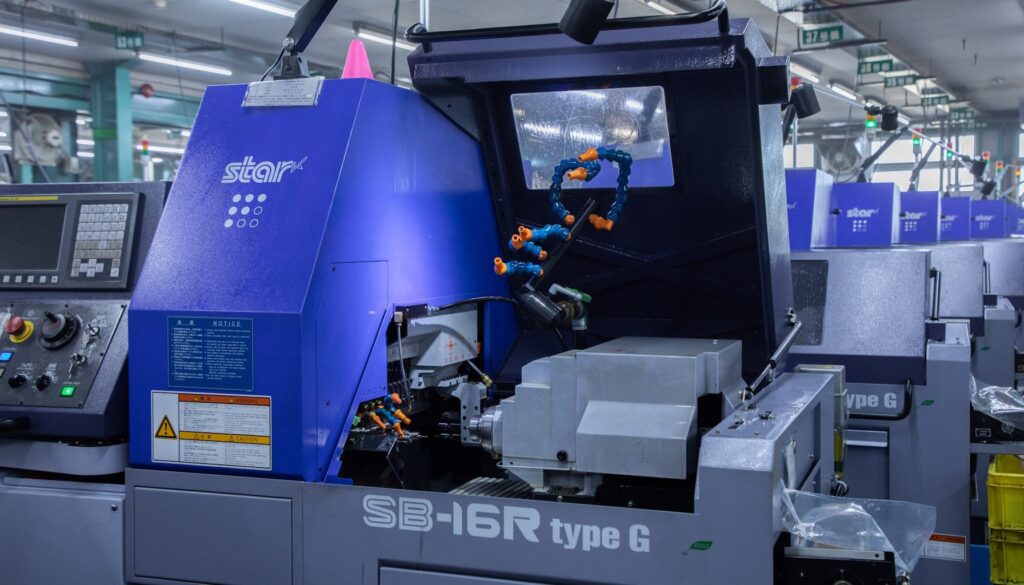
1. What Is Machining?
Machining shapes metal and plastic by removing material. It’s used to make many of the products we use every day.
For example, everyday products such as smartphones, computers, automobiles, and home appliances are made up of countless precision components. Machining makes it possible to produce these components.

2. Machining in Everyday Products
You may not realize how much machining goes into making them.
Here are some examples of products that rely on machining.
Smartphones
Smartphones contain many metal and plastic components. Many of their precision parts, including the housing and specialized screws, are produced using machine.
Automobiles
Automobiles contain numerous metal components, many of which are also produced through machining. Because these parts require exceptional accuracy, their dimensions are often controlled to tolerances much finer than a millimeter.
Medical Devices
Medical devices rely on machining to produce the precise components needed for surgery, diagnosis, and implants.

3. Types of Machining
There are several different machining methods, each suited to specific manufacturing needs. We’ll explore these processes in greater detail throughout this series, but here’s a brief introduction to some of the most common ones.
Cutting
Cutting is a machining process in which material is removed using cutting tools to create the desired shape. This process is typically performed using machine tools such as lathes and milling machines.
Turning
Turning is one type of cutting process in which a workpiece rotates while a cutting tool removes material to form the desired shape. It is particularly well suited for manufacturing cylindrical parts such as screws, shafts, and other round components.
As we’ll discuss in a future GM Technology Lab article, a lathe is the machine tool specifically designed to perform turning operations.
Drilling
Drilling is another type of cutting process in which a drill bit is used to create holes in a workpiece. It is commonly used to produce holes for bolts, screws, and other fasteners.
4. Why Is Machining Important?
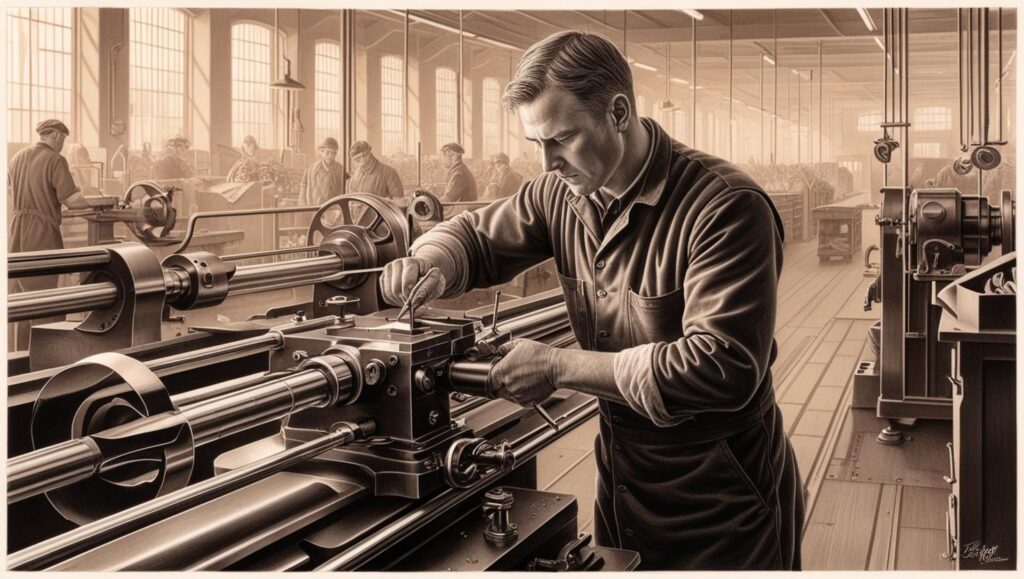
Machining does more than simply shape materials—it plays a vital role in determining the precision and quality of finished products. Whether it’s the comfortable fit of a smartphone in your hand or the smooth operation of a car engine, these qualities are made possible by precisely machined components working together.
Machining also supports our daily lives in ways that often go unnoticed. High-quality products depend on high-precision machining, making it an indispensable manufacturing technology across a wide range of industries.

Conclusion
Machining is a fundamental manufacturing technology behind many of the products we use every day, from automobiles and smartphones to medical devices.
In the next article, we’ll take a closer look at one of the key machining processes.
We hope you’ll join us again!


